Maximizing Space with Smart Design Solutions
- Tyler King
- Jan 18
- 4 min read

In today’s world, where living spaces are often limited, making the most out of every square foot is essential. Smart design solutions can transform even the smallest areas into functional, comfortable, and aesthetically pleasing environments. Whether you live in a compact apartment or a cozy house, these strategies help you maximize space without sacrificing style or comfort.
The Power of Smart Design in Small Spaces
Smart design is about more than just choosing pretty furniture or trendy colors. It involves thoughtful planning and clever use of space to enhance functionality and flow. For example, using vertical storage options like tall shelves or wall-mounted cabinets can free up floor space and keep your home organized.
Another smart design tactic is incorporating multipurpose furniture. A sofa bed, an ottoman with storage, or a foldable dining table can serve multiple functions, reducing clutter and making your space adaptable to different needs.
Lighting also plays a crucial role in smart design. Natural light can make a room feel larger and more inviting. Using mirrors strategically can reflect light and create an illusion of depth. Additionally, installing layered lighting—ambient, task, and accent—ensures your space is well-lit and versatile.
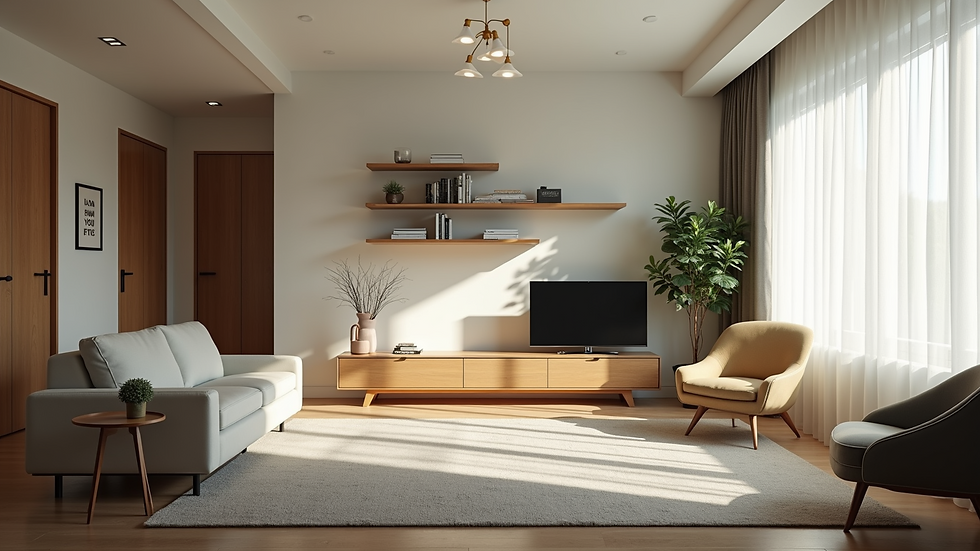
Key Elements of Smart Design Solutions
To maximize space effectively, focus on these key elements:
Storage Optimization: Use under-bed storage, built-in cabinets, and hidden compartments to keep belongings out of sight.
Flexible Layouts: Arrange furniture to allow easy movement and adapt the space for different activities.
Minimalism: Keep décor simple and avoid overcrowding to maintain a clean, open feel.
Color Palette: Light colors and monochromatic schemes can make rooms appear larger.
Technology Integration: Smart home devices can reduce the need for bulky equipment and streamline daily tasks.
For instance, a wall-mounted fold-down desk can serve as a workspace during the day and disappear when not in use, freeing up room for other activities. Similarly, using sliding doors instead of swinging ones saves space and adds a modern touch.
What is a multifunctional home?
A multifunctional home is designed to serve various purposes within the same space. This concept is especially valuable in small homes or apartments where every inch counts. Rooms are not limited to a single function but can transform based on the time of day or activity.
For example, a living room might double as a guest bedroom with a pull-out sofa. A dining area could also function as a home office with a foldable table and ergonomic chair. Even kitchens can incorporate breakfast bars that serve as casual dining spots or workstations.
Multifunctional homes emphasize adaptability and efficiency. They often feature modular furniture, movable partitions, and smart storage solutions that allow residents to customize their environment easily.

Practical Tips for Implementing Smart Design
To apply smart design solutions in your home, consider these actionable recommendations:
Assess Your Needs: Identify which spaces require flexibility and what activities you want to accommodate.
Declutter Regularly: Keep only what you need and love to avoid overcrowding.
Invest in Quality Multipurpose Furniture: Choose pieces that are durable and versatile.
Use Vertical Space: Install shelves, hooks, and cabinets up to the ceiling.
Incorporate Hidden Storage: Look for furniture with built-in compartments or use underutilized areas like stairs.
Choose Light and Reflective Surfaces: Paint walls in light colors and add mirrors to enhance brightness.
Plan Lighting Thoughtfully: Combine natural and artificial light sources for a balanced effect.
Create Zones: Use rugs, furniture placement, or partitions to define different areas within a room.
By following these tips, you can create a home that feels spacious, organized, and tailored to your lifestyle.
Enhancing Your Home with Functional Home Designs
Integrating functional home designs into your space can significantly improve usability and comfort. These designs focus on practical solutions that meet everyday needs while maintaining aesthetic appeal.
For example, installing GFCI outlets in strategic locations enhances safety and convenience, especially in kitchens and bathrooms. This small upgrade is part of a broader approach to making your home smarter and more efficient.
Additionally, consider custom cabinetry that fits your space perfectly, built-in seating with storage underneath, or wall-mounted desks that fold away when not in use. These elements contribute to a cohesive design that maximizes every inch.

Creating a Comfortable and Spacious Living Environment
Maximizing space with smart design solutions is not just about functionality; it’s also about creating a home where you feel comfortable and relaxed. Use soft textiles, plants, and personal touches to add warmth and personality without cluttering the space.
Keep pathways clear and furniture scaled appropriately to the room size. Avoid oversized pieces that dominate the space. Instead, opt for sleek, streamlined designs that offer comfort without bulk.
Remember, a well-designed space supports your daily routines and enhances your quality of life. By combining smart design principles with your unique preferences, you can enjoy a home that feels both spacious and inviting.
Maximizing space through smart design solutions is achievable with thoughtful planning and creativity. By embracing multifunctional elements, optimizing storage, and focusing on practical yet stylish choices, you can transform your home into a haven of efficiency and comfort.


Comments