How to Maintain a Comfortable and Safe Home Environment
- Tyler King
- Jan 18
- 4 min read

Creating a safe and comfortable home environment is essential for overall well-being. A well-maintained home promotes relaxation, improves mental health, and ensures safety for all its inhabitants. In this blog post, we'll explore practical tips and strategies to enhance your living space, making it a sanctuary for you and your loved ones.
The Importance of a Comfortable Home Environment
A comfortable home goes beyond just aesthetics; it has significant implications for health and happiness. According to studies, a positive home environment can reduce stress levels and improve emotional well-being. Here are some key factors to consider:
Air Quality: Clean air is vital. Poor indoor air quality can trigger allergies and respiratory issues. Regularly changing air filters and maintaining ventilation can help. Consider using air purifiers for an extra boost.
Temperature Control: Maintaining a consistent and comfortable temperature is crucial. Use programmable thermostats to save energy while keeping your home cozy. The ideal indoor temperature is typically between 68°F and 72°F (20°C - 22°C).
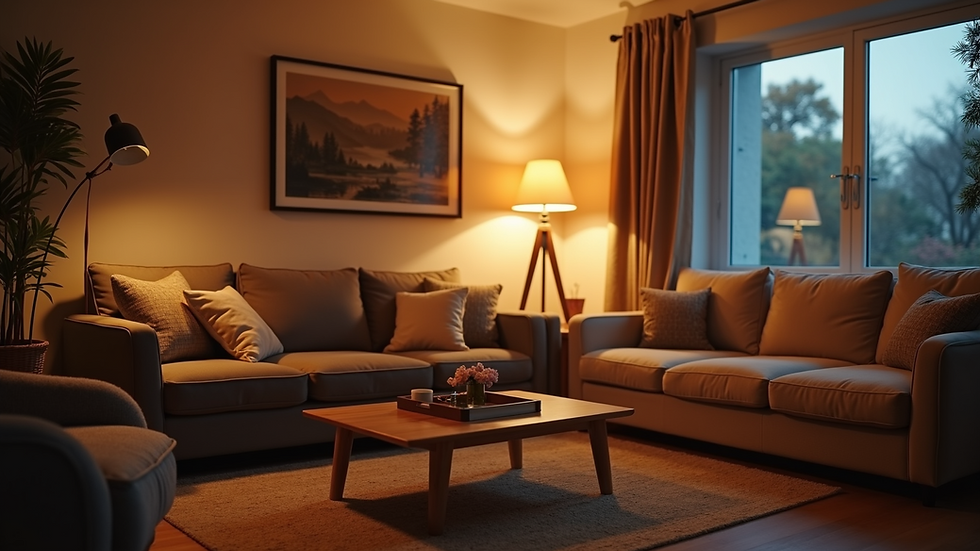
Lighting: Proper lighting can affect mood and productivity. Natural light is preferred, so keep curtains open during the day. For artificial lighting, opt for soft, warm bulbs to create a welcoming atmosphere.
Home Care Tips for a Safe Living Space
Keeping your home safe is as important as making it comfortable. Here are some essential home care tips to enhance safety:
1. Regular Maintenance
Regular maintenance checks can prevent potential hazards. This includes:
Inspecting Electrical Systems: Look for frayed wires and ensure outlets are in good condition. If you're unsure, consider hiring a professional electrician.
Checking Smoke Detectors: Test smoke alarms monthly and replace batteries at least once a year. A functioning smoke detector can save lives.
Maintaining Plumbing Systems: Look for signs of leaks and water damage. Fixing leaks promptly can prevent mold growth.
2. Secure Your Home
Safety starts at your front door. Ensure your home is protected:
Install Deadbolt Locks: These provide more secure locks than standard doorknob locks. Consider adding a smart lock for added convenience.
Use Motion Sensor Lights: These lights deter intruders and enhance safety when arriving home at night.

3. Remove Hazards
Decluttering and organizing are essential for maintaining a safe environment:
Keep Pathways Clear: Ensure hallways and walkways are free of obstacles to prevent tripping hazards.
Secure Rugs and Carpets: Use non-slip mats to keep rugs in place and reduce the risk of slips.
Does Medicare Pay for Home Caregivers?
The question of whether Medicare covers home caregiver services is crucial for many individuals seeking assistance. Generally, Medicare does cover home health care, which can include:
Skilled Nursing Services: These services may include wound care or medication management.
Therapy Services: Physical, occupational, and speech therapy are covered if prescribed by a doctor.
However, it’s important to note that Medicare does not typically cover personal care services, such as help with bathing or dressing. For these services, individuals might consider private pay options or long-term care insurance.
Tips for Navigating Medicare Coverage
Review Your Coverage: Understand what your specific Medicare plan covers.
Consult with Professionals: Talk to a Medicare representative or a financial advisor specializing in healthcare to clarify any doubts.
Explore Alternatives: If you need additional help, consider services like lux home care, which can provide personalized support tailored to your needs.
Creating a Child and Pet-Friendly Environment
Families with children and pets must take additional steps to ensure a safe space. Here are some strategies:
1. Childproofing
Childproofing your home is essential:
Secure Heavy Furniture: Use brackets to secure tall furniture to the wall to prevent tipping.
Cover Electrical Outlets: Install outlet covers to prevent little fingers from accessing electrical outlets.
2. Pet Safety Measures
For pet owners, safety measures are equally important:
Store Toxic Substances Safely: Keep cleaning products, medications, and other hazardous materials out of reach.
Create a Pet-Friendly Space: Designate areas where pets can play safely without causing damage or injury.

Regular Cleaning Routines
A clean home significantly contributes to comfort and safety. Establishing regular cleaning routines helps maintain order and prevent allergens. Here are some steps to consider:
1. Develop a Cleaning Schedule
Create a weekly and monthly cleaning schedule. This can include:
Daily Tasks: Tidying up, washing dishes, and wiping down surfaces.
Weekly Tasks: Vacuuming, mopping floors, and cleaning bathrooms.
2. Declutter Regularly
Make decluttering a habit. Set aside time each season to evaluate what you no longer need. This helps create a more organized and pleasant living space.
Enhancing Mental Well-Being at Home
Finally, maintaining mental well-being is crucial for enjoying a comfortable home environment. Here are some strategies to enhance your mental health at home:
1. Create Relaxation Zones
Designate areas in your home for relaxation and reflection. This can be a cozy reading nook or a meditation corner. Incorporate elements that promote peace, such as:
Comfortable Seating: Invest in comfortable chairs or cushions.
Calming Colors: Use paint or decor in soothing hues.
2. Engage in Mindful Practices
Mindfulness can significantly improve your mental well-being. Consider incorporating practices like:
Meditation: Use guided apps or videos to foster relaxation.
Journaling: Write about your thoughts and feelings to gain clarity and relieve stress.
3. Foster Connections
Building connections with family and friends is also vital. Create opportunities for gatherings, game nights, or shared meals to strengthen relationships and create joyful memories.
By implementing these strategies, you can transform your home into a comfortable and safe environment, ensuring it serves as a sanctuary for peace, happiness, and well-being. Embrace the journey of enhancing your living space, and remember that a little effort goes a long way in nurturing both the physical and emotional aspects of your home.


Comments